Male Conservancy, Northern Kenya
North of Mount Kenya, beyond the more established conservancies of Laikipia, the land begins to loosen - geographically, culturally, and conceptually. The landscape feels less defined by borders and more by movement: of wildlife, of cattle, of people whose lives have long been tied to the rhythms of this dry, expansive country. It is within this setting that Male Conservancy is beginning to emerge.
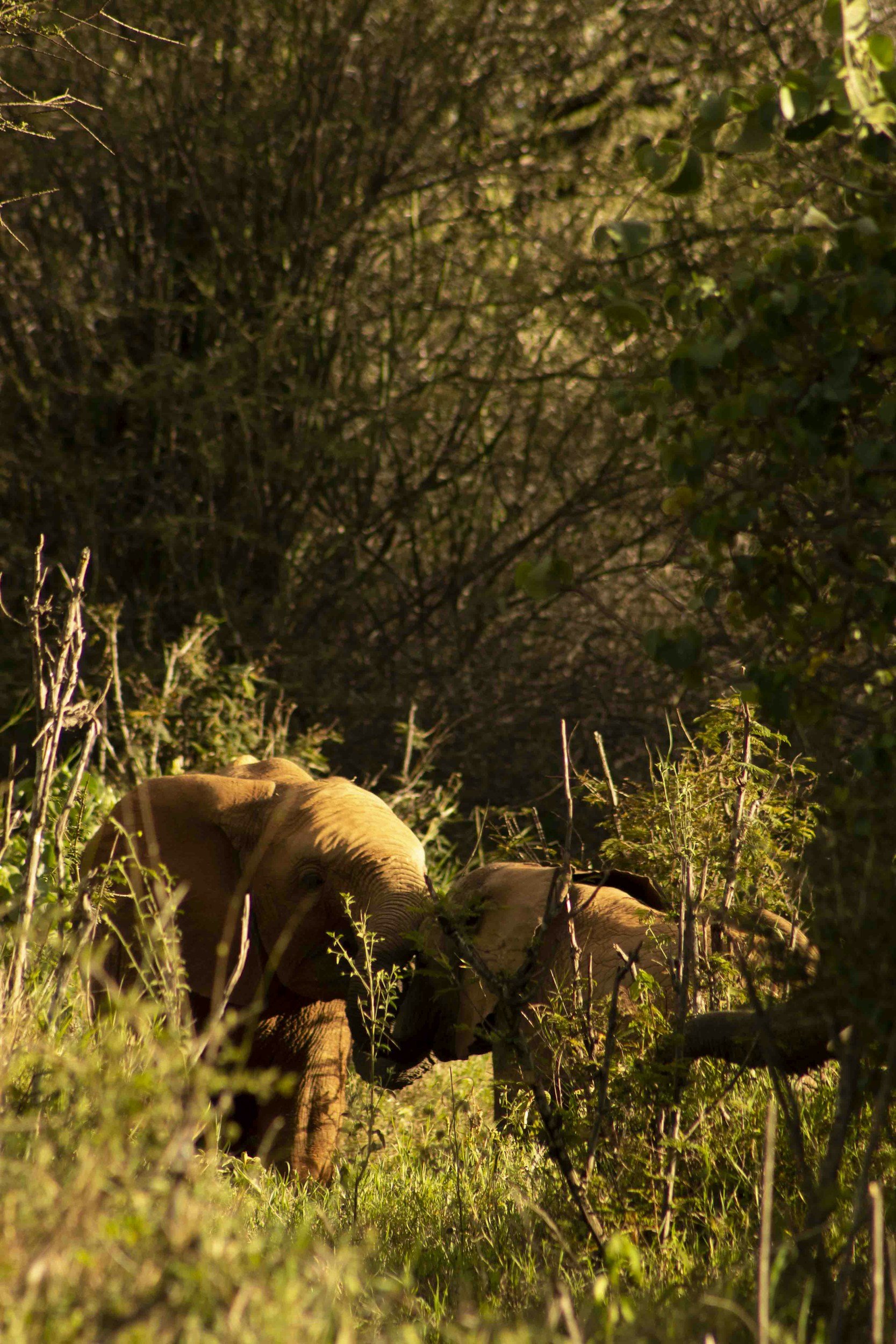
The terrain itself changes: shallow valleys cut through rock and scrub, with seasonal rivers threading their way through sand and stone. Further out, the land opens into wider grazing areas, dotted with acacia and low brush, where herds - both wild and domestic - move across distances that have never been fully enclosed. Elephants pass quietly between these pockets, as do giraffe and Grevy’s zebra, following pathways that predate any formal idea of conservation here.
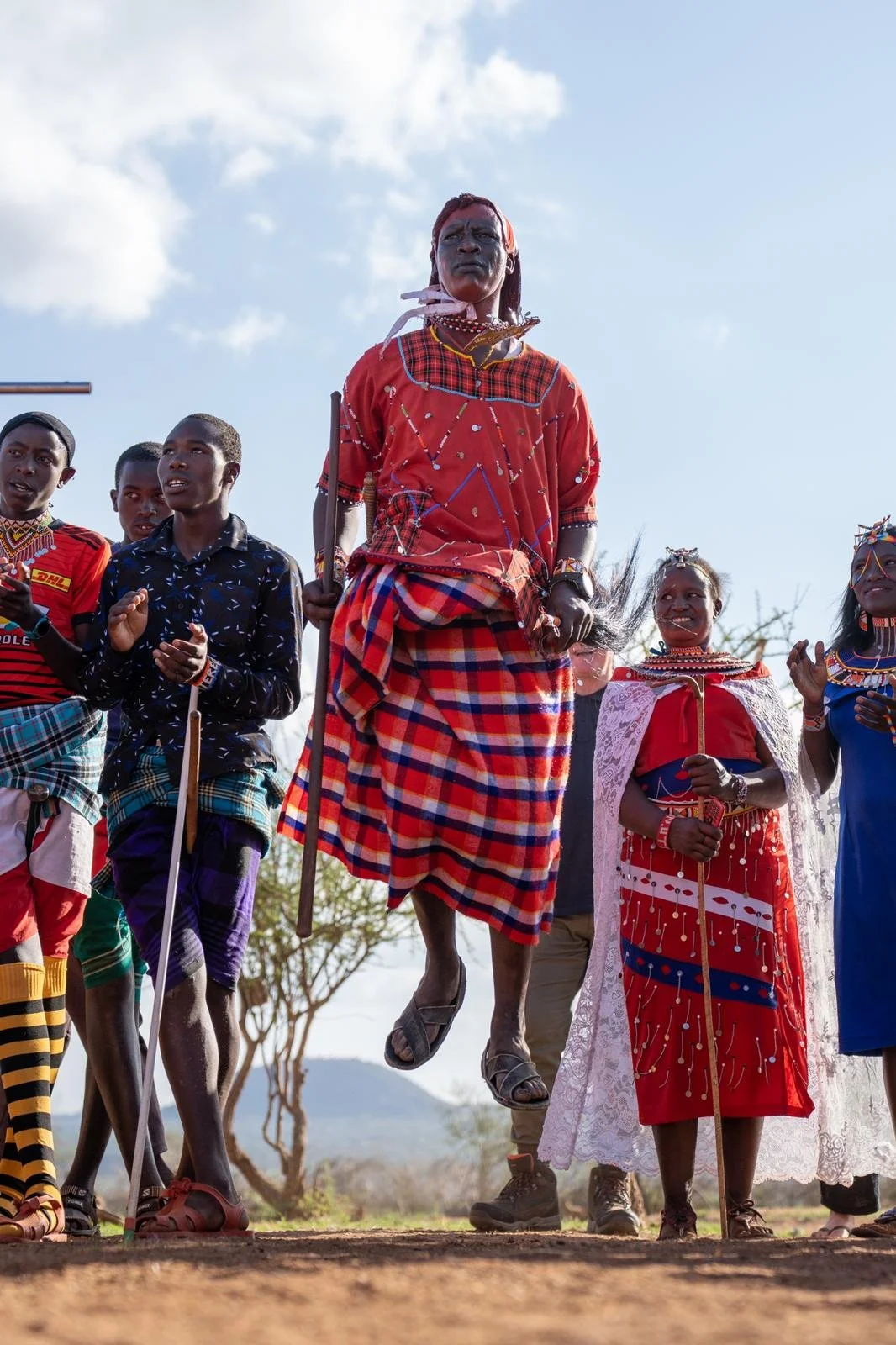
This has always been a working landscape. The Laikipiak Maasai communities who live across these group ranches have shaped it over generations, managing cattle in ways that respond to drought, grass, and season. The connection is tangible - livestock markets, beadwork and trade forming part of a living, evolving system rather than something preserved for display. Conservation, in this context, has never been separate from people; it has simply been another way of understanding how land is used and sustained.
The newly created Male Conservancy sits directly within this reality. It represents a different kind of beginning - one that grows from the land itself rather than being imposed upon it. Developed by the local family, who have owed the land since pre-Independence (even during a time when Black Kenyans were not legally able or allowed to own property), it is as much about restoration as it is about redefining ownership and purpose. What was once overused grazing ground is being allowed to recover, but not in isolation. The intention is not to remove people, but to build a model where conservation, livelihoods, and cultural identity remain intertwined.
Driving Instructions
How to get to the camp:
Drive to Nanyuki:
Drive to Il Polei
Turn at the Il Polei petrol station, up the hill and follow the road
At one point the road goes through a river and the road has been worn away a little
Finally, you will see a rock painted white at a turning on the left
Turn and follow the arrows to the campsite where the staff will be waiting to welcome you.
Pin to the camp: https://maps.app.goo.gl/ErLHPW5DoNHDMorc7
Note: there is not much signal so if you need to contact the camp, use WhatsApp - you will be given the number for the camp manager on confirmation of booking.